Why free electricity is coming, and what it means for your home
From 1 July 2026, households in NSW, South East Queensland, and South Australia can sign up to the federal government’s Solar Sharer Offer (SSO) for three hours of free electricity daily.
The SSO aims to:
- help lower household electricity bills (where households can shift their energy use to the free-power period)
- share the benefits of abundant renewable energy more equitably
- spread demand to ease pressure on the grid during peak periods, particularly in the evening
Who is eligible
To sign up for the Solar Sharer Offer, you need to:
- be a residential customer in NSW, South East Queensland, or South Australia
- have a smart meter installed
- sign up through your electricity retailer (both renters and homeowners qualify)
- not be supplied through an embedded network
- be with a retailer that’s required to offer the Solar Sharer Offer (generally those with more than 1,000 customers in these areas)
You don’t need rooftop solar to take part.
How it works
The Solar Sharer Offer gives eligible households up to 24 kWh of free electricity during a set window in the middle of the day. That’s enough to cover the daily usage of a typical five-person home.
Free windows by state:
- NSW and South East Queensland: 11am–2pm
- South Australia: 12pm–3pm
Victorian households will have access to a similar scheme, the Midday Power Saver, running 11am to 2pm daily from 1 October 2026.
What to run during the free period
The appliances worth prioritising are the ones that hit your bill hardest:
- Reverse cycle air conditioning
- Clothes dryer
- Home battery charging
- Washing machine and dishwasher
- EV charger
Most of these appliances have built-in timers. You don’t need to be home, just set them to run at 11am or 12pm (depending on your home state) and get on with your day.
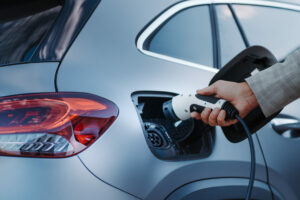
For EV owners who are able to schedule their charging during these hours (either through the car or a companion app), the savings can be substantial. The Victorian government estimates households with an electric vehicle could save up to $1,102 a year by charging during the free period instead of at peak times.
The trade-off
Whether the SSO will actually cut your bill will depend on when you use power.
It’s worth checking the rates outside the free window against your current plan before switching. In some cases they may be higher, which means the savings depend on how much usage you can genuinely shift to the midday period.
The SSO rewards households that can shift energy-heavy tasks into the midday window: washing, drying, running the dishwasher, heating or cooling the house before the evening peak. Aiming for 20–30% of your total energy use inside the free window is roughly the threshold where savings start to show.
If you already have solar
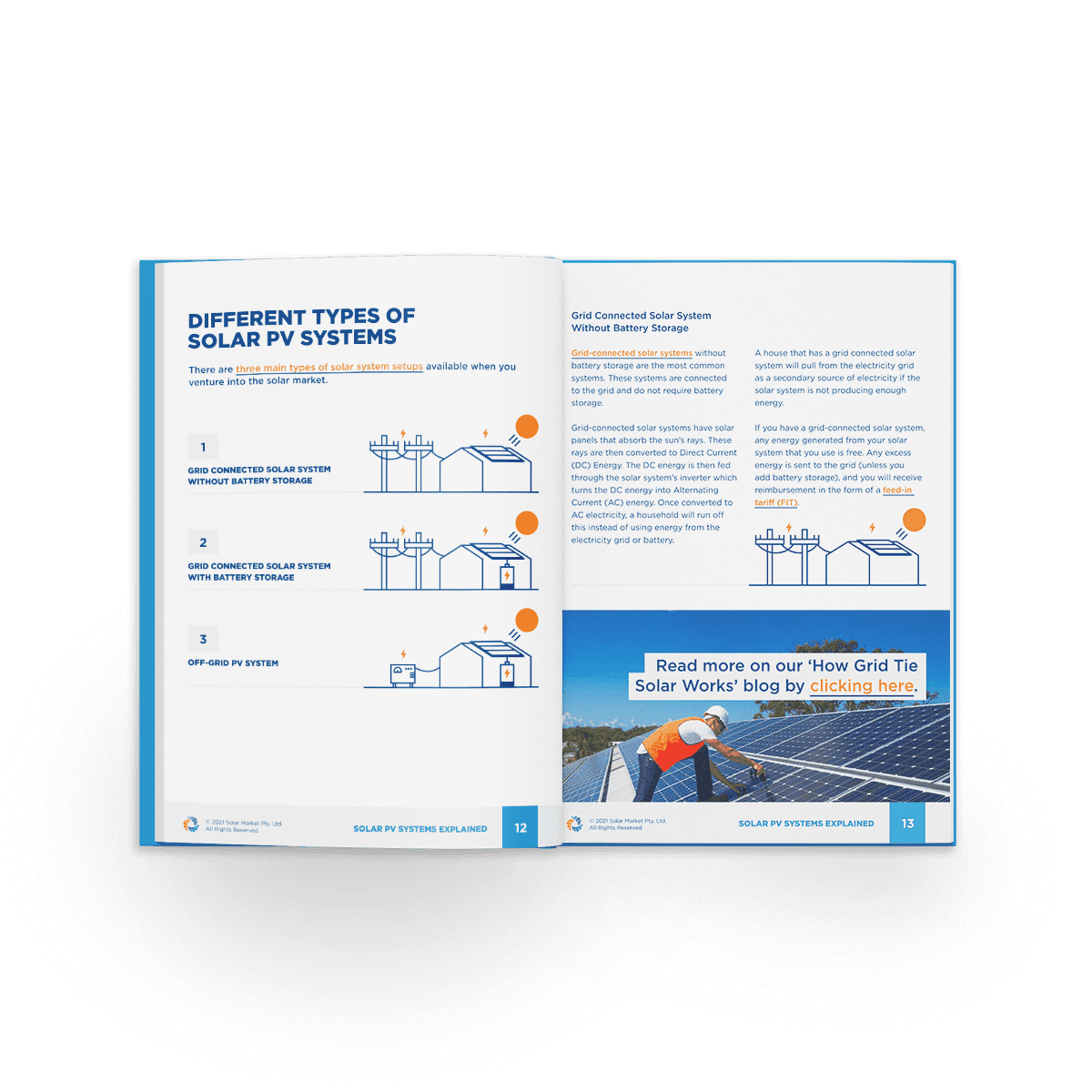
If you already have solar, you’re already generating free power throughout the day. Adding a battery enables you to save that power to use whenever you need it.
Three hours of free electricity is a useful start. Solar and storage take that further.
Want to explore what solar or battery storage could look like for your home? Compare your options here.