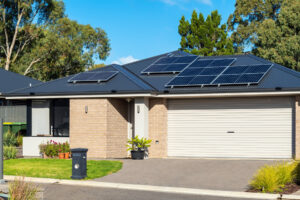
Residential solar’s popularity is sky-rocketing in Australia due to increased affordability, great return on investment and Government rebates. By installing a solar PV system at your property you can reap the benefits of reduced electricity bills and have less reliance on the grid. Despite this, some people are still unsure if installing solar is worth it or if it is right for their circumstances.
Let’s discuss some of the other advantages of having a Solar PV System.

Having a solar system installed at your property means generating your own electricity, therefore reducing the amount of electricity you purchase from the electricity grid, resulting in lowered electricity bills. Every unit of solar power you use is one you don’t have to buy from the grid, so a well-sized system can cut your power bills significantly. How much you save depends on your system size, your energy use and when you use it.

Requiring zero fuel, solar energy is a great alternative to traditional fossil fuels, utilising the free light energy created by the sun. A solar system produces no emissions while it’s running. Coal-fired power, by comparison, releases carbon dioxide as well as pollutants such as sulphur dioxide, nitrogen oxides and fine particles.
Unlike the alternatives, solar energy does not produce radioactive waste, is renewable, and is freely available.

We’ve watched electricity prices steadily increase each year. Limiting the amount of electricity you need to purchase from the grid by having a solar system reduces your exposure to electricity price rises

Solar system prices have drastically decreased over recent years, becoming an affordable and worthwhile investment for the average household in Australia. Rebates and financial assistance is also available to reduce the upfront costs of purchasing a system.
Click here to find out average system prices and return on investment payback periods.

Government incentives in the form of rebates, subsidies and financial assistance are available across Australia to assist Australians to purchase and install solar systems at their home or business. These can usually be organised by the installer of your system if they are an approved supplier and are installing approved products.
Federal Government Solar Subsidies
The Federal Government Solar Rebate, officially known as the Small-scale Renewable Energy Scheme (SRES), entitles individuals and small businesses to large subsidies when installing eligible small-scale renewable energy systems such as solar panel systems. See our current solar rebates page.
State-Based Incentives
Some State Governments throughout Australia have released their own solar and battery incentives to keep Australians investing in renewable energy. Depending on your location, rebates and incentives will vary.
Find out the different rebates, subsidies and incentives available to you.

Solar energy will be freely available for as long as the sun exists! Not only will the source of solar systems energy be around for the next 5 billion years, but as residential solar becomes increasingly popular, more installers and providers are becoming Clean Energy Council accredited making it easier and more accessible to find quality providers.

As solar panels have no moving parts they require very little maintenance apart from cleaning and inspections.
The inverter is the part most likely to need replacing during your system’s life, so check its warranty when you compare quotes.

Most solar panels have an expected lifespan of 25 years with performance warranties to match.

Adding solar to your property can increase the property value and make it more desirable on the market, should you decide to sell in the future.
Interested to know more? We thought you might be! See our dedicated page on How Solar Power Can Boost Your Home’s Value.
Get on your way to reaping the benefits of installing solar, Get Obligation FREE Quotes from SAA accredited installers today!


 Step 3