
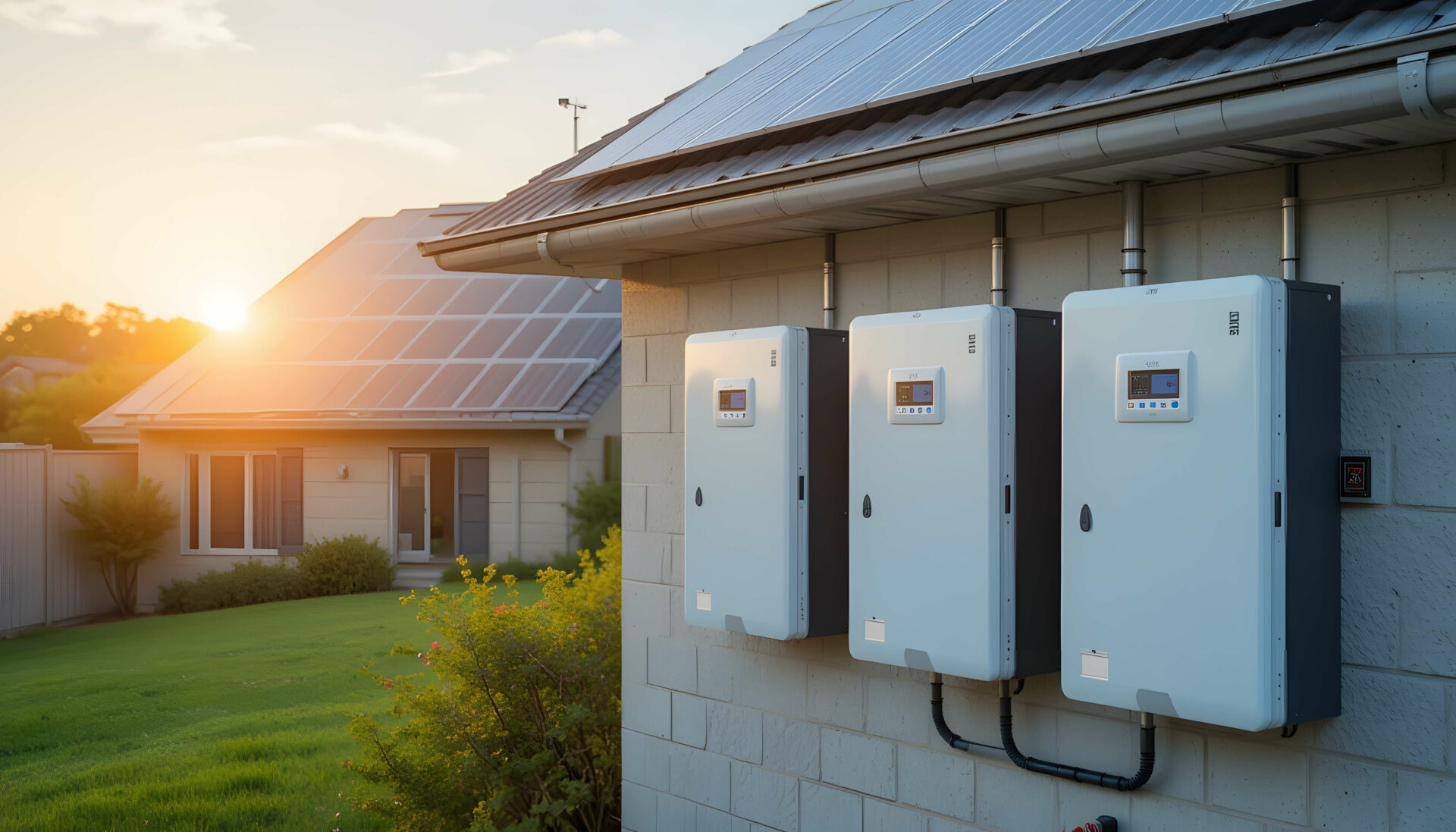
From 1 May 2026, important changes are coming to Australia’s Federal solar battery rebate under the Cheaper Home Batteries Program.
While the program continues through to 2030, the way the rebate is calculated is changing — and installation timing will now play a bigger role in how much you receive.
Here’s what’s changing and what it means if you’re planning to install a battery this year.
A Quick Refresher: How the Battery Rebate Works
The federal battery rebate is delivered through the Small-scale Renewable Energy Scheme (SRES) — the same framework used for Australia’s solar STC rebate.
Instead of being paid directly to homeowners, the rebate is applied upfront through Small-scale Technology Certificates (STCs), which reduce the installed cost of your battery system.
The number of STCs created depends on:
- The battery’s usable capacity
- The installation date
- The current STC market value
From May 2026, two key elements of this system are changing.
What’s Changing From 1 May 2026?
- The Rebate Will Reduce Every Six Months
Currently, STC factors reduce annually.
From 1 May 2026, they will reduce every six months instead.
This means:
- The rebate will gradually decline more frequently
- Installation timing will have a greater impact on savings
- Waiting longer may result in a lower rebate level
The earlier your battery is installed, the higher the STC factor applied.
- The Rebate Will Be Tiered by Battery Size
From May 2026, the STC factor will no longer apply evenly across all eligible battery sizes.
Instead, the rebate will be weighted more heavily toward smaller and mid-sized systems:
- 0–14kWh: 100% of STC factor
- 14–28kWh: 60% of STC factor
- 28–50kWh: 15% of STC factor
Batteries larger than 50kWh remain eligible, but STCs are only created for the first 50kWh of usable capacity.
This structure is designed to encourage right-sized systems rather than oversizing purely to maximise rebate value
What Does This Mean in Real Terms?
To illustrate, consider a common 13.5kWh home battery system.
If installed in:
- April 2026 – the pre-May structure applies
- June 2026 – the new six-monthly reduction applies
Depending on STC market pricing, the difference in rebate value could be in the order of hundreds to over a thousand dollars.
Exact figures vary, but the key takeaway is this:
Installation timing now has a more noticeable financial impact than before.
Is the Rebate Ending?
No.
The Federal Government has secured funding for the Cheaper Home Batteries Program through to 2030.
The rebate continues nationwide.
However, the value reduces progressively over time, so earlier installations receive stronger support.
Should You Install Before May 2026?
There isn’t a one-size-fits-all answer.
But if you are already considering a battery in 2026, it’s worth comparing quotes sooner rather than later to understand:
- Current rebate levels
- Projected post-May rebate levels
- Total installed cost differences
Even a few months’ delay can now influence the final rebate amount.
How to Check Your Eligibility
To qualify for the federal battery rebate:
- You must own the property
- The battery and inverter must be Clean Energy Council (CEC) approved
- The installer must be accredited by Solar Accreditation Australia (SAA)
- Grid-connected systems must be VPP capable
You can also often combine the federal rebate with eligible state-based battery programs.
For full eligibility details and updated rebate information, see our complete guide to Solar Battery Rebates in Australia.
Comparing Battery Quotes in 2026
Because the STC factor now reduces every six months and varies by battery size, getting accurate, up-to-date quotes is more important than ever.
Comparing multiple installers allows you to:
- See how the rebate is applied
- Confirm eligibility
- Understand total system costs
- Lock in current rebate levels
If you’re planning a solar battery installation this year, reviewing quotes now helps you make an informed decision before the next reduction period.
Final Thoughts
The Cheaper Home Batteries Program continues to provide meaningful support for Australian households and businesses.
But from May 2026, rebate timing and battery sizing matter more than before.
Understanding the changes — and planning accordingly — can help you maximise available savings.