A home battery stores the solar power you don’t use during the day, so you can use it at night instead of buying power from the grid. Prices have fallen a long way, and the federal battery discount has cut the upfront cost further. Here’s what a battery costs now, what affects the price and how to work out the right size for your home.
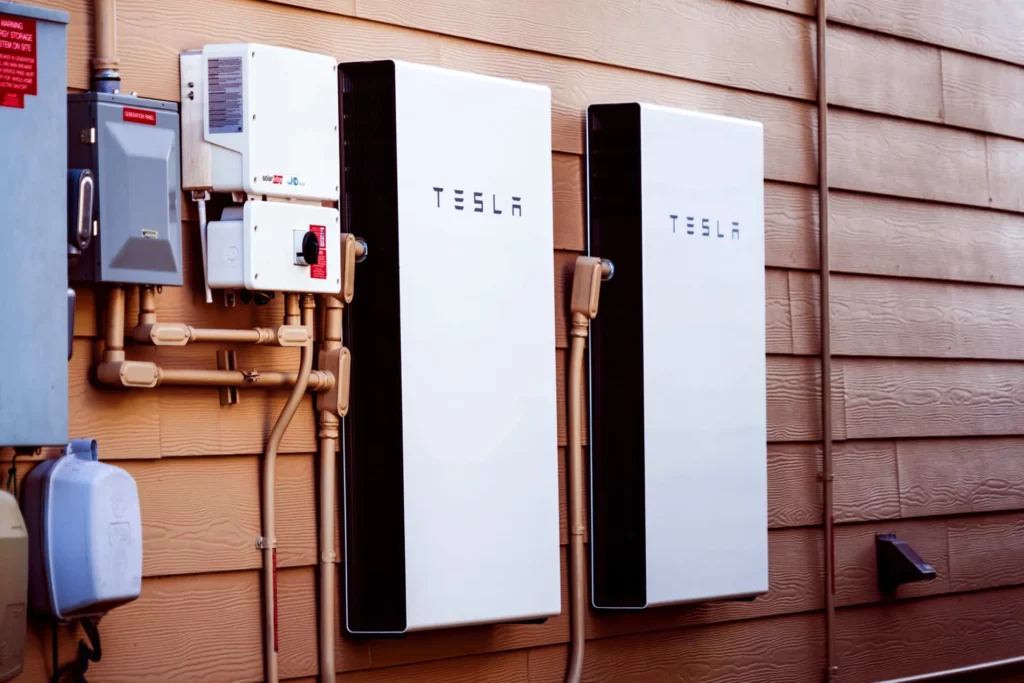
What does a solar battery cost in Australia?
As of November 2026, home batteries typically cost around $700 to $800 per kWh installed, after the federal battery discount. Here’s a guide to typical installed prices:
| Battery size | Typical installed price (after federal discount) |
|---|---|
| 10 kWh | $7,400 to $8,000 |
| 13 kWh | $9,600 to $10,400 |
| 20 kWh | $14,200 to $15,200 |
Prices are a guide only. Your price will depend on the brand, whether you need a new inverter, your switchboard and your installer. The federal discount steps down every six months, so prices after the discount are likely to rise slightly from 1 January 2027.
How the federal battery discount works
Under the federal Cheaper Home Batteries Program, your installer takes the discount off your quote upfront, so there’s nothing to claim later. For a 10 kWh battery, it’s worth about $2,650 if it’s installed by 31 December 2026, or about $2,220 from 1 January 2027 (at $39 per STC).
The full discount applies to the first 14 kWh of usable capacity, with smaller amounts for capacity above that. Your battery must be on the Clean Energy Council’s approved list, be installed by an SAA-accredited installer and be able to join a virtual power plant (VPP), although joining one is up to you.
Find out more about the federal battery rebate.
Battery prices vary by state
Some states and territories offer extra support on top of the federal discount. For example, WA offers a battery rebate of up to $3,800 for Horizon Power customers, and NSW and the ACT offer loans for eligible households.
Check the battery rebates in your state.
What affects the price of a solar battery?
- Size (kWh): a bigger battery stores more energy and costs more, although the price per kWh can drop slightly as size increases.
- Brand: premium brands often cost more, but may come with longer warranties or better support. Compare warranties as well as prices.
- Inverter: if your current solar inverter can’t connect to a battery, you’ll need a hybrid inverter or a separate battery inverter, which adds to the cost.
- Installation: switchboard upgrades, the battery’s location and backup wiring can all affect the price.
How battery sizing works (kW and kWh)
A battery has two important numbers:
- kWh (capacity) is how much energy it can store.
- kW (power) is how much power it can deliver at once.
A battery with 10 kWh of capacity and 5 kW of power could, in theory, run 5 kW of appliances for two hours. In practice, what you can use depends on the battery’s usable capacity, which is usually a little less than its total capacity because some charge is kept in reserve to protect the battery. When comparing batteries, look at the usable capacity.
For a typical home with solar, a battery of around 10 to 15 kWh is often enough to cover evening and overnight use. The right size for you depends on how much power you use after dark, the size of your solar system and whether you want backup power during blackouts. An installer can size it from your energy bills.
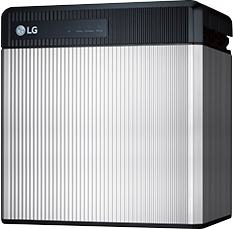 Battery
LG Chem RESU 10
Nominal Capacity
9.86 kWh |
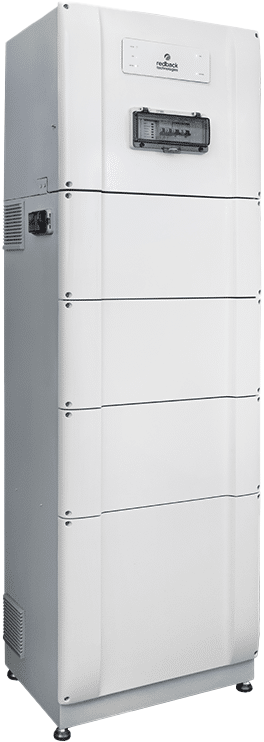 Battery
Redback SB9600
Nominal Capacity
9.6 kWh |
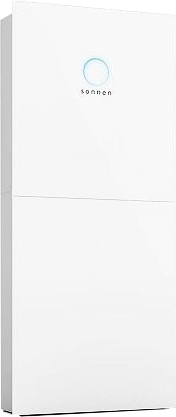 Battery
sonnenBatterie Hybrid 9.53/10
Nominal Capacity
10.0 kWh |
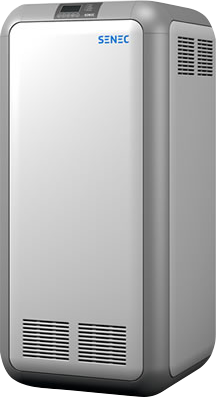 Battery
Senec.HOME V3 Hybrid
Nominal Capacity
10 kWh |
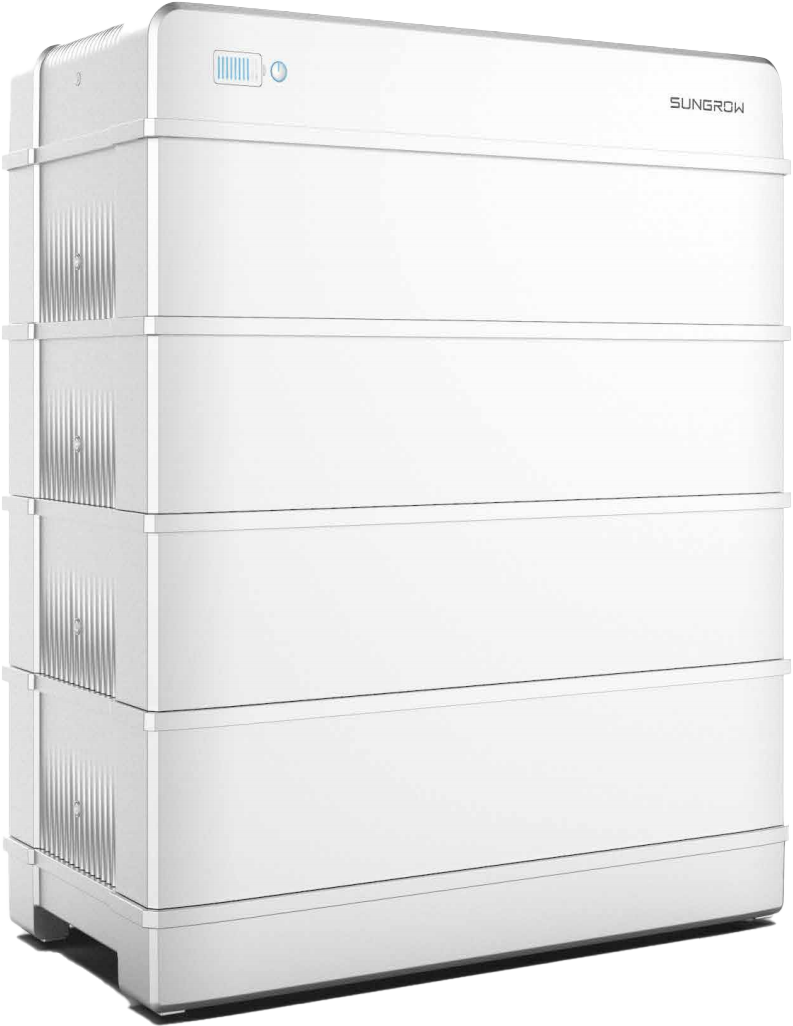 Battery
SunGrow SBR096
Nominal Capacity
9.6 kWh |
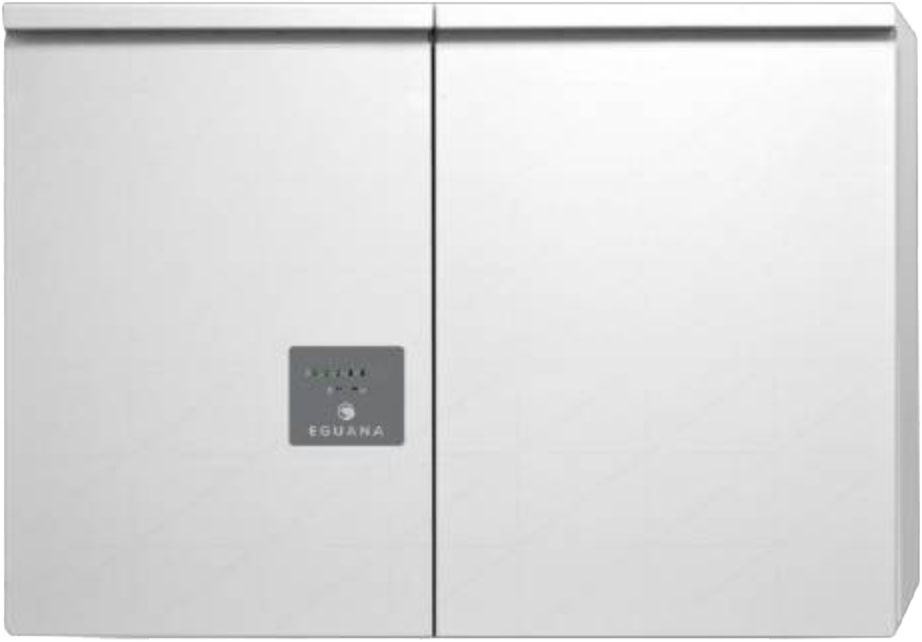 Battery
Eguana Evolve 0513
Nominal Capacity
13 kWh |
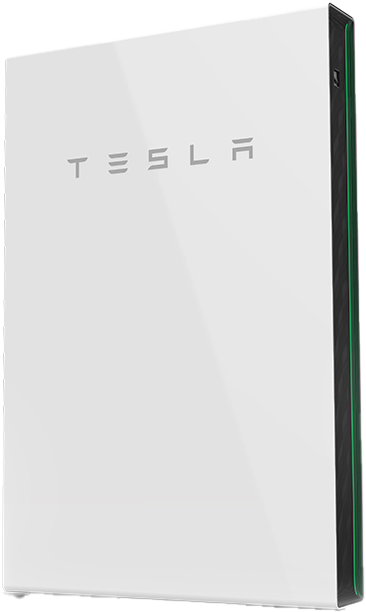 Battery
Tesla Powerwall 2
Nominal Capacity
13.5 kWh |
 Battery
Goodwe Lynx Home U Series
Nominal Capacity
4.8 kWh – 28.8 kWh |
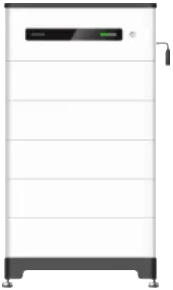 Battery
Goodwe Lynx Home F Series
Nominal Capacity
6.55 kWh – 16.38 kWh |
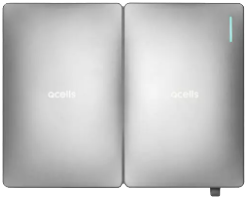 Battery
QCells Q.HOME CORE H5S
Nominal Capacity
6.8 kWh – 20.5 kWh |
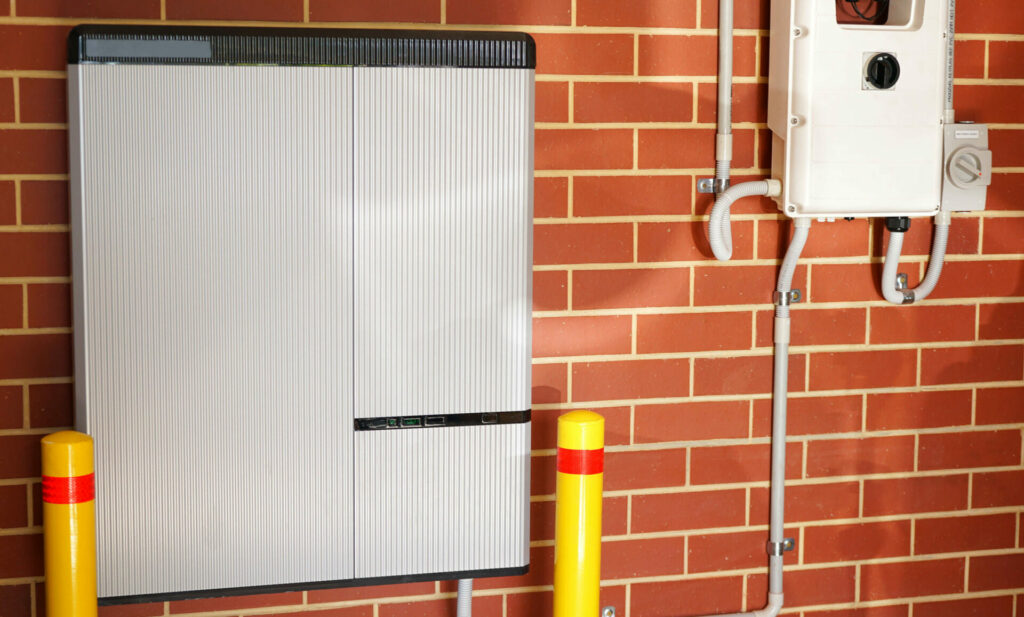
Have more questions on solar panel battery price? Read our FAQs



 Step 3