Last updated 16 July
A home EV charger is a meaningful investment, typically $1,200–$4,500 installed. Like any fixed asset at your property, it’s worth making sure it’s properly covered.
The good news is that most Australian homeowners already have some coverage in place without realising it.
Is Your Charger Already Covered?
In most cases, a home EV charger installed by a licensed electrician falls under your existing home and contents insurance as a fixed improvement to the property. This typically covers damage from fire, storm, flood, and theft.
The first step is to check your current policy. Look for how it defines “fixed improvements” or “permanently installed equipment” and whether there are any exclusions for electrical equipment or EV-specific items. A quick call to your insurer is the most reliable way to confirm.

Check your existing home insurance policy first. Most EV chargers are already covered as a fixed improvement.
Where Standard Cover Can Fall Short
Home insurance policies don’t all treat EV chargers the same way. A few things worth checking:
Accidental damage. Some policies cover accidental damage to fixed improvements, others don’t. If someone reverses into your charger or a cable is damaged during use, accidental damage cover makes the difference.
Power surges. Electrical surge damage is excluded from some policies or only covered as an optional add-on. Given that EV chargers draw significant power, it’s worth confirming your policy’s position on this.
Liability. If your charger causes damage to a third party, such as an electrical fault that causes a fire, liability cover in your home insurance typically handles this. Check your policy’s liability limit is adequate.
Commercial use. If you plan to share or rent your charger to others, standard home insurance almost certainly won’t cover that use. You’d need a commercial or specific EV charging policy.
What to Ask Your Insurer
When you call your insurer, a few specific questions help:
Is my EV charger covered as a fixed improvement to the property? What is the replacement value it’s covered for? Is accidental damage included or an optional extra? Are power surges covered? Are there any exclusions related to EV charging equipment?
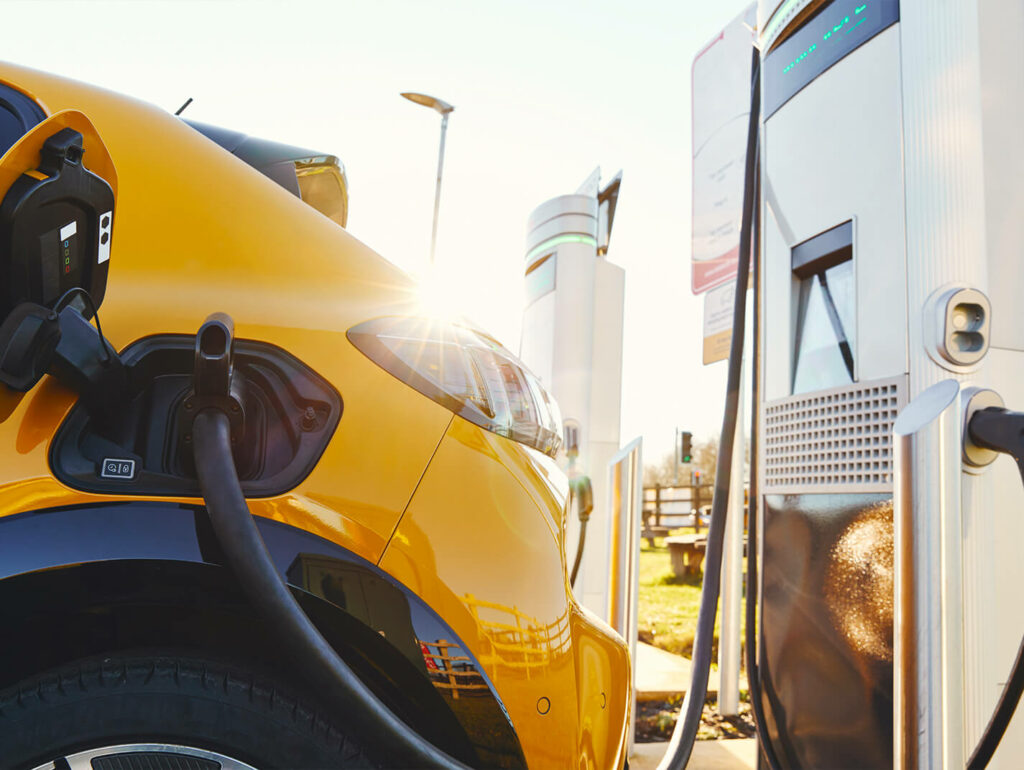
Commercial EV chargers can cost up to $80,000 per unit, making adequate insurance cover essential for businesses.
Commercial EV Charger Insurance
For businesses installing commercial chargers, the stakes are higher. DC fast chargers can cost $15,000–$80,000 or more per unit, and a commercial setting brings additional liability exposure from public use. Standard business insurance may not extend to EV charging infrastructure without an endorsement. Speak to a commercial insurance broker about your specific setup before installation.
Keeping Your Cover Valid
A few practical points worth noting. Installation by a licensed electrician with a Certificate of Compliance for Electrical Work is the baseline requirement for any insurance claim related to your charger. Keep that documentation somewhere accessible. Regular maintenance and prompt attention to any faults also strengthens your position with an insurer if you need to make a claim.
Thinking About an EV?
If you’re considering purchasing an electric vehicle through salary packaging, the FBT exemption can reduce the overall cost. Try our EV Novated Lease Calculator to see what you could save, and visit our Australian EV Charger Rebates and Grants page for the latest state-by-state incentives.



 Step 3