Choosing the right solar system components is a crucial decision and can mean the difference between having a reliable system that makes a real contribution to reducing your bills and having a lemon on your roof that causes nothing but headaches.
The good thing is that the solar industry has now been around long enough that clear market leaders have emerged and it’s not hard to find out what these leading brands are. These brands aren’t that much more expensive than the low quality brands and will pay for themselves in a very short time frame through greater production and lower maintenance costs.
Solar Panels + Inverter + Mounting System = Solar System
Solar Panels
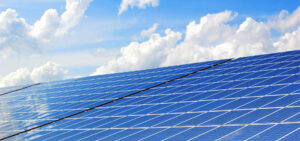
Solar panels are the core component of a solar power system, they collect photons from the sun and then turn them into DC electricity.
Easy ways to check for solar panel quality:
Does the company have a website?
If the company doesn’t have a quality website and you can’t find anything about them via a simple Google search, exclude them from your list. If they don’t have information about themselves online, you can be pretty sure that they’ll be hard to find if you have a warranty issue in the future.
Have the panels been used on utility scale solar farms?
If a large corporation is investing hundreds of millions in a large scale system, you can be sure that they’ve done due diligence on the panel and the company who made the panel. Check their website and if they’ve done large scale systems, you’ll be able to easily find info on these.
Are their warranties serviced in Australia?
Check if the company requires you to send the panels back to the country of manufacture at your own expense if you have a problem. If you do, run a mile in the opposite direction, there are plenty of manufacturers out there who will pay to have a panel replaced for you. This should eliminate a few choices.
Power tolerance
This refers to the percentage variation in the panel’s power production. A positive power tolerance means that the panel will produce at or above what it is labelled. E.g. a 200W with a 5% positive power tolerance will produce anywhere between 200W and 210W. The same panel with a negative power tolerance will produce anywhere between 190W and 200W. Solar cells with a positive power tolerance are selected by higher quality manufactures and generally indicates a higher quality panel.
Temperature co-efficient
As counter-intuitive as it sounds; solar panels don’t work as well in higher temperatures. A measure of how much production a panels loses once it gets hotter than 40 degrees is the Temperature Co-efficient. For every 1 degree over 40 degrees, Suntech panels for example will lose 0.45% production – This is around what most panels lose so don’t be too concerned, plus this is factored into the productions figures given for each city. When looking at panels, go for one with a lower percentage or temperature co-efficient as it indicates a better quality panel.
See highly reviewed solar panel brands here.
Inverter
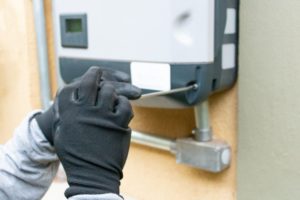
The solar inverter is responsible for taking the DC electricity generated by the panels and converting it into 240V AC electricity which can then be used by your home appliances. The inverter also registers how much energy you’ve produced and some higher end models even allow you to connect to your computer via Bluetooth and view much more in depth information.
Over the last few years, thousands of homeowners have seen inferior quality inverters fail. As well as the hassle of having to call the installation company, who may or may not charge you to have it replaced (see Choosing a solar installer) you’ll also lose money as you may not realise straight away that the system isn’t working. In this case, compare the solar inverter prices offered carefully. A few hundred dollars more to go for a good quality system would have been more than worth it.
See some highly reviewed inverter brands here.
IMPORTANT: The inverter isn’t an area you want to skimp on as this is the first thing to fail in a poor quality system.
Micro inverters are another form of technology that you may be offered in your quotes. They represent a small proportion of systems installed nationally and are best used in situations where you roof may receive a lot of shading at certain times of the day. You can read more on choosing between a standard string inverter and micro-inverter here.
Mounting system
The solar panel mounting system is extremely important as this connects the system to your roof. There are generally 2 ways of attaching a system to your roof and this depends on whether your roof is tin or tile. Most mounting frames in Australia meet Australian standards and this hasn’t been a problem so far.
The video below provides and excellent explanation of how mounting systems are installed on tile and tin roofs and the components involved.


 Step 3